← Civilisation · 2/9WTM PRESS · BOOK SIGNAL
The Dawn of Everything
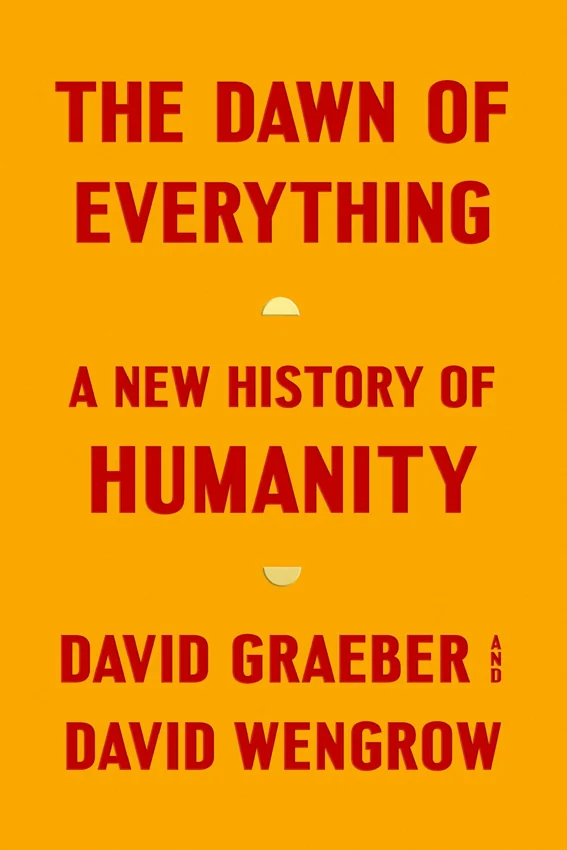
A New History of Humanity
David Graeber and David Wengrow
Published · publisher and retailer options
Social arrangements are choices, not a single inevitable ladder from simplicity to hierarchy.
Pragmatic review
Graeber and Wengrow revisit familiar accounts of early societies and the origins of inequality. For leaders, the useful question is whether a present arrangement has become mistaken for the only possible arrangement. Read this beside Sapiens to broaden the models available for thinking about institutions and collective freedom.
WTM Signal Review
WTM’s judgement: valuable as a challenge to inevitability. Historical examples do not automatically establish what will work in a contemporary organisation. Separate evidence about past social diversity from prescriptions for present governance; the argument invites further investigation rather than closing it.
ONE PRACTICAL NEXT STEP
Describe three plausible ways to organise one recurring decision before defending the current structure.
Reading basis and disclosure
Research-based reading note: publisher synopsis; no claim of a full-text review.
Additional WTM editorial selection; not identified in the supplied photographs. No affiliate tracking added.
Linked US edition: ISBN 9780374157357. Other formats are available through the publisher.
Authors and contributors
David Graeber (1961–2020) was an anthropologist, writer and activist. His books include Debt: The First 5,000 Years and Bullshit Jobs, and he co-wrote The Dawn of Everything with archaeologist David Wengrow.
Official biography or website ↗David Wengrow is an archaeologist whose research examines early civilizations, inequality and human freedom. He co-wrote The Dawn of Everything with David Graeber and is Professor of Comparative Archaeology at University College London.
Official biography or website ↗Sources
Catalogue updated: 10 October 2026. The Webflow Press page is the editable editorial record; this portal carries the launch catalogue edition.
Keep a private reading note.
Create a free reader account to save this book and your own questions.
Create my desk