A change in the unit of analysis can change what an explanation reveals.
Pragmatic review
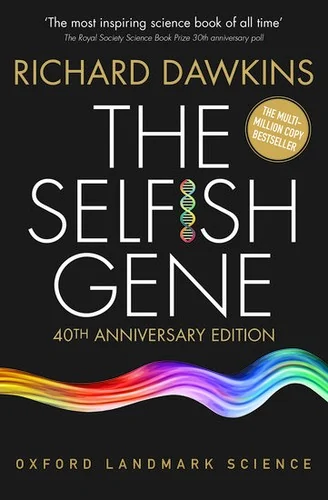
Dawkins explains evolution through a gene-centred perspective, including cooperation and the familiar language of replicators. For a general reader, the value is analytical: asking what persists, what is selected and at what level. Treat this as a biological account that sharpens questions, rather than a ready-made theory of business or culture.
WTM Signal Review
WTM’s judgement: a powerful lens with clear boundaries. “Selfish” describes a metaphorical evolutionary perspective, not a moral instruction or proof that people should behave selfishly. Analogy across biology and society requires independent evidence; biological explanation cannot settle an ethical decision.
ONE PRACTICAL NEXT STEP
State the unit being optimised in one system, then test whether the metaphor still fits when the unit changes.
Reading basis and disclosure
Research-based reading note: Oxford University Press description; no claim of a full-text review.
External title. No affiliate tracking added to the purchase link.
Linked Oxford anniversary edition: ISBN 9780198788607; cover may differ from the photographed edition.
About the author
Richard Dawkins is a British biologist and science writer known for The Selfish Gene and The Blind Watchmaker. His books and public work explore evolution, the scientific understanding of life, and religion.
Official biography or website ↗Sources
Catalogue updated: 10 October 2026. The Webflow Press page is the editable editorial record; this portal carries the launch catalogue edition.