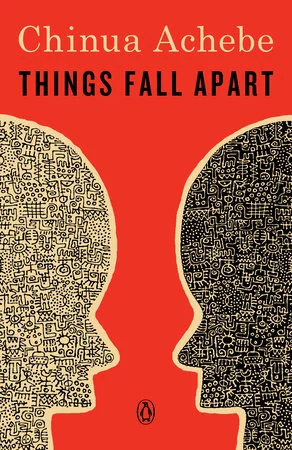
Civilisation is also lived from within, through language, obligations and contested belonging.
Pragmatic review
Achebe’s novel places an Igbo community and its internal tensions at the centre of a story disrupted by colonial power. It belongs in this collection because systems thinking needs human perspective as well as abstract models. Read for the relationship between individual pride, communal expectations and an outside institution’s claim to authority.
WTM Signal Review
WTM’s judgement: essential literary perspective on how power changes the terms on which a society understands itself. Fiction is not a complete ethnographic record, and one character cannot represent an entire civilisation. The practical lesson is to listen to internal accounts before designing change for other people.
ONE PRACTICAL NEXT STEP
Before proposing a change, ask three affected people how they describe the institution in their own words.
Reading basis and disclosure
Research-based reading note: publisher description and reading context; no claim of a full-text review.
Additional WTM editorial selection; not identified in the supplied photographs. No affiliate tracking added.
Linked Penguin paperback. Introductions and pagination vary between editions.
About the author
Chinua Achebe (1930–2013) was a Nigerian novelist, poet and essayist. His debut novel, Things Fall Apart, became a landmark of international literature. He received the 2007 Man Booker International Prize for lifetime achievement.
Official biography or website ↗Deceased author. No official personal, estate or archive social account verified from the primary sources reviewed.
Sources
Catalogue updated: 10 October 2026. The Webflow Press page is the editable editorial record; this portal carries the launch catalogue edition.